
How much does a quality procurement process really save?

The key benefit of the digital transformation of procurement is optimization precisely in those areas where money leaks out of the procurement process.
The key benefit of the digital transformation of procurement is optimization precisely in those areas where money leaks out of the procurement process.
“When we wanted a CRM, it cost ten times more and nobody asked whether we really needed it. So why are we hesitating so much with SRM, without which professional procurement simply cannot function?” – this is exactly how the Sales Director summed it up when he joined Procurement in defending the next step of the long-approved procurement digitalization strategy.
🎯 And he was right. The key benefit of the digital transformation of procurement is optimization precisely in those areas where money leaks out of the procurement process.
📊 For example, in many companies there is a belief that the key to successful procurement is optimizing purchase prices.
But a detailed analysis shows that prices are already good, and even major effort no longer leads to reductions (in fact, due to rising supplier inputs, prices are slightly increasing).
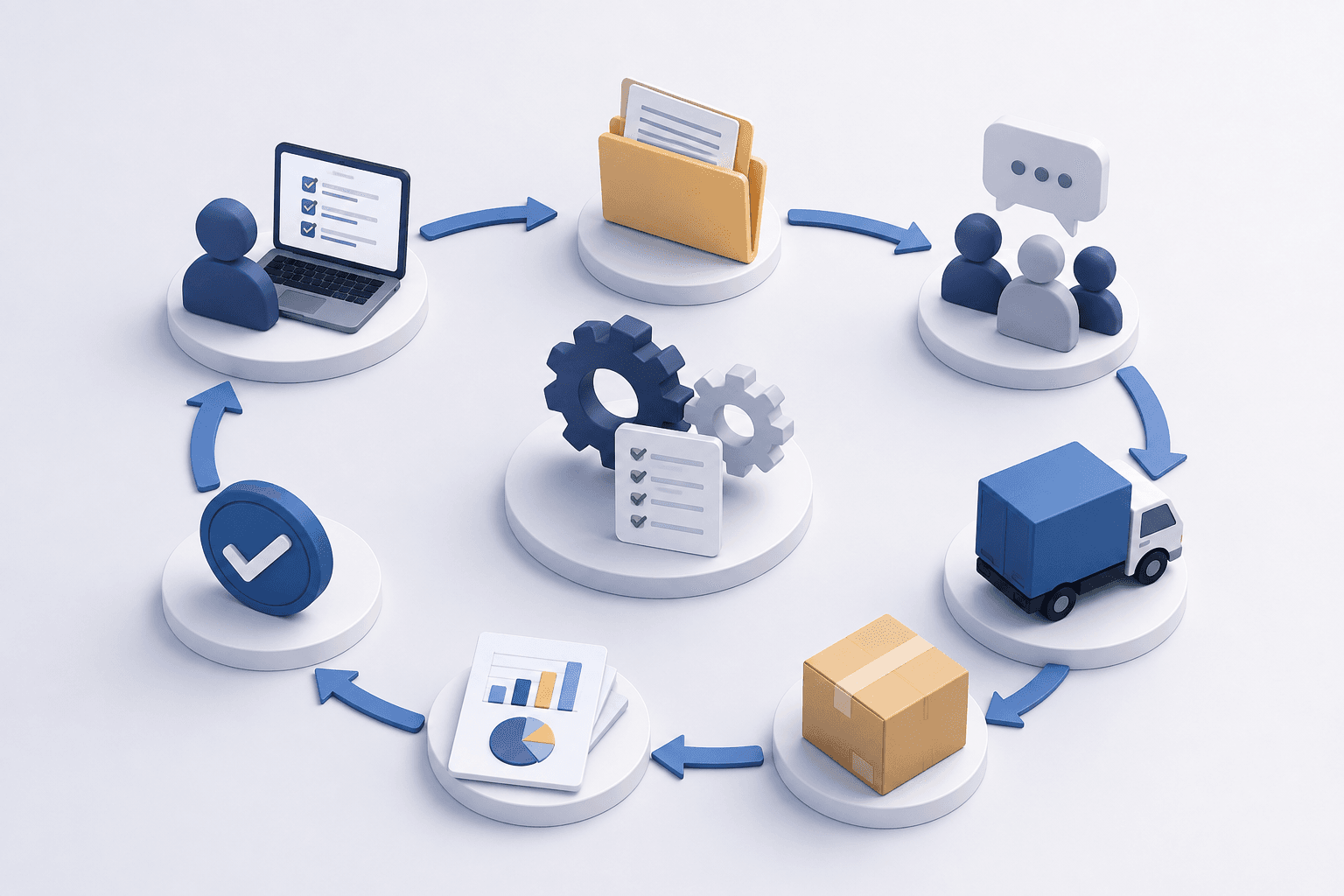
However, analysis of the procurement process and the associated administrative costs revealed a gold mine:
🗂️ Reduction of unnecessary purchase orders through call-offs: minus 200 orders/month
⚙️ Automation of catalog items: minus 150 orders/month
📑 Greater focus on business terms and agreement on exact price = fewer invoice discrepancies: faster matching and less verification
📉 Result? €50,000 in monthly savings in administrative costs alone.
💬 Initial reaction from management? The CFO reproached us that if we remove administrative tasks and the people remain, then we actually haven’t saved anything. Procurement Manager’s response?
👉 “How much time did you spend daily checking invoices?” “About half an hour.”
👉 “And now?” “Almost none.”
👉 “And what do you use that time for?” “I do more useful things.”
🔥 Case closed.

Jana Jůzlová has more than 20 years of experience in corporate procurement in manufacturing companies. She specializes in strategic procurement consulting and helps companies turn procurement and logistics into a competitive advantage.
For busy procurement teams, it’s easy to lose track of deadlines. One RFQ may be closing today, while another is still waiting for supplier responses.
This is a completely legitimate concern. You’re a procurement professional, already overloaded with work, and now you’re supposed to deal with procurement software on top of everything else?
Return on investment within the first year of project implementation.*
*The ROI estimate is based on real data gathered from our clients and their successfully completed projects.
Join us in the world of Promitea.
Our team is here for you.