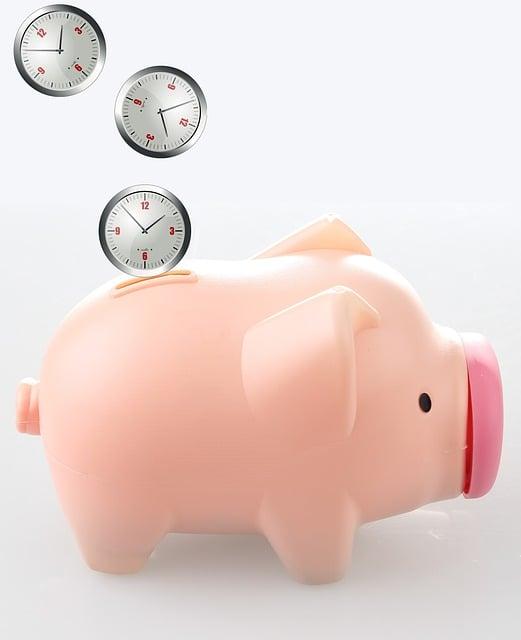
How much can be saved through a good purchasing process?

How much can be saved through a good purchasing process?
At the end of the presentation to the management, where I had to defend the benefits of a small investment in optimizing the purchasing process, the sales manager couldn't take it anymore: “Listen, when we wanted a CRM that costs at least a zero more than this SRM, we didn't discuss whether we really needed it and whether the ROI was fast enough. Our customers all have these portals. And because they're not idiots and because we're hopefully not idiots either, we need it.”
Those who do not have such enlightened allies will find concrete figures in the article. Personally, I'm also glad that the article doesn't claim that savings are universal, but always gives the context in which they work.
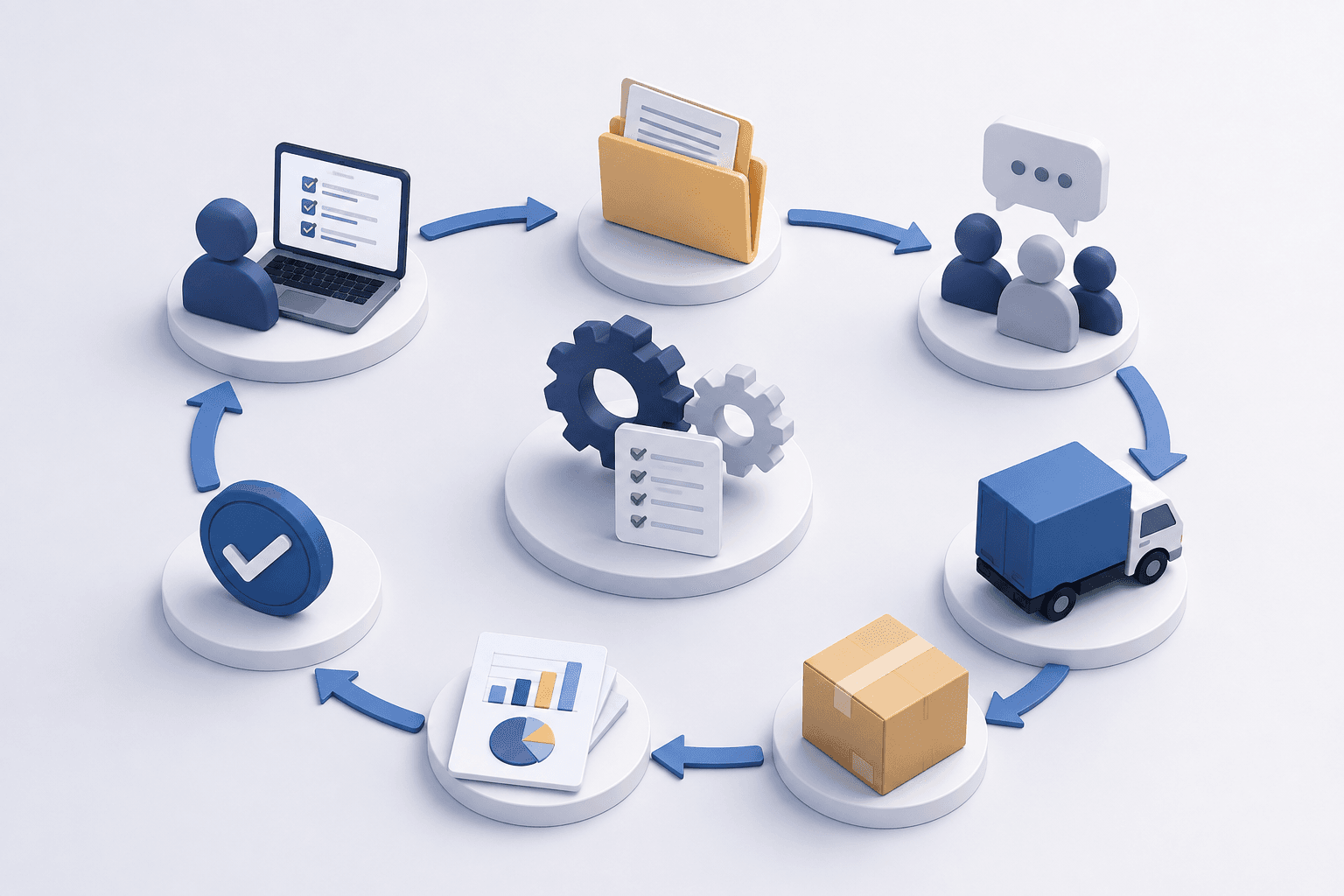
My personal experience in terms of process savings is even more dramatic. This is because the digital transformation of purchasing is forcing buyers to think about where the money is in purchasing and how to achieve it. In my company, for example, we considered how we could optimize raw material prices, but we focused on reducing the number of orders, because one order cycle was costing us around 50 euros per order. As a first step, we set ourselves a target of 2,000 orders per month instead of 3,000:
- For one operation, they switched to a callback and created a batch order and invoice at the end of the month using the copy-paste method of the callback list (reduction of 200 volumes/month),
- We have created an automatic reconciliation in the e-catalog for small fillings (150 units per month),
- for services, we started tracking and rejecting small deviations from the order that prevented automatic matching and that miraculously disappeared ...
This was not rocket science, but a monthly saving of €50,000 in administrative costs.
And just for fun: a colleague from our sister plant accused us quite bluntly of manipulation because we don't save anything if these people stay there. So our plant manager asked him how much time he spends every day checking and signing off invoice differences. He said no more than half an hour and that he was happy about it because it allowed him to keep track of what was being purchased in the company. That was the end of the matter for the management.

Jana Jůzlová has more than 20 years of experience in corporate procurement in manufacturing companies. She specializes in strategic procurement consulting and helps companies turn procurement and logistics into a competitive advantage.
For busy procurement teams, it’s easy to lose track of deadlines. One RFQ may be closing today, while another is still waiting for supplier responses.
This is a completely legitimate concern. You’re a procurement professional, already overloaded with work, and now you’re supposed to deal with procurement software on top of everything else?
Return on investment within the first year of project implementation.*
*The ROI estimate is based on real data gathered from our clients and their successfully completed projects.
Join us in the world of Promitea.
Our team is here for you.