
The biggest procurement risk

How many organizations still consider price the biggest risk in procurement — while far more costly issues slip through right under their noses?
How many organizations still consider price the biggest risk in procurement — while far more costly issues slip through right under their noses?
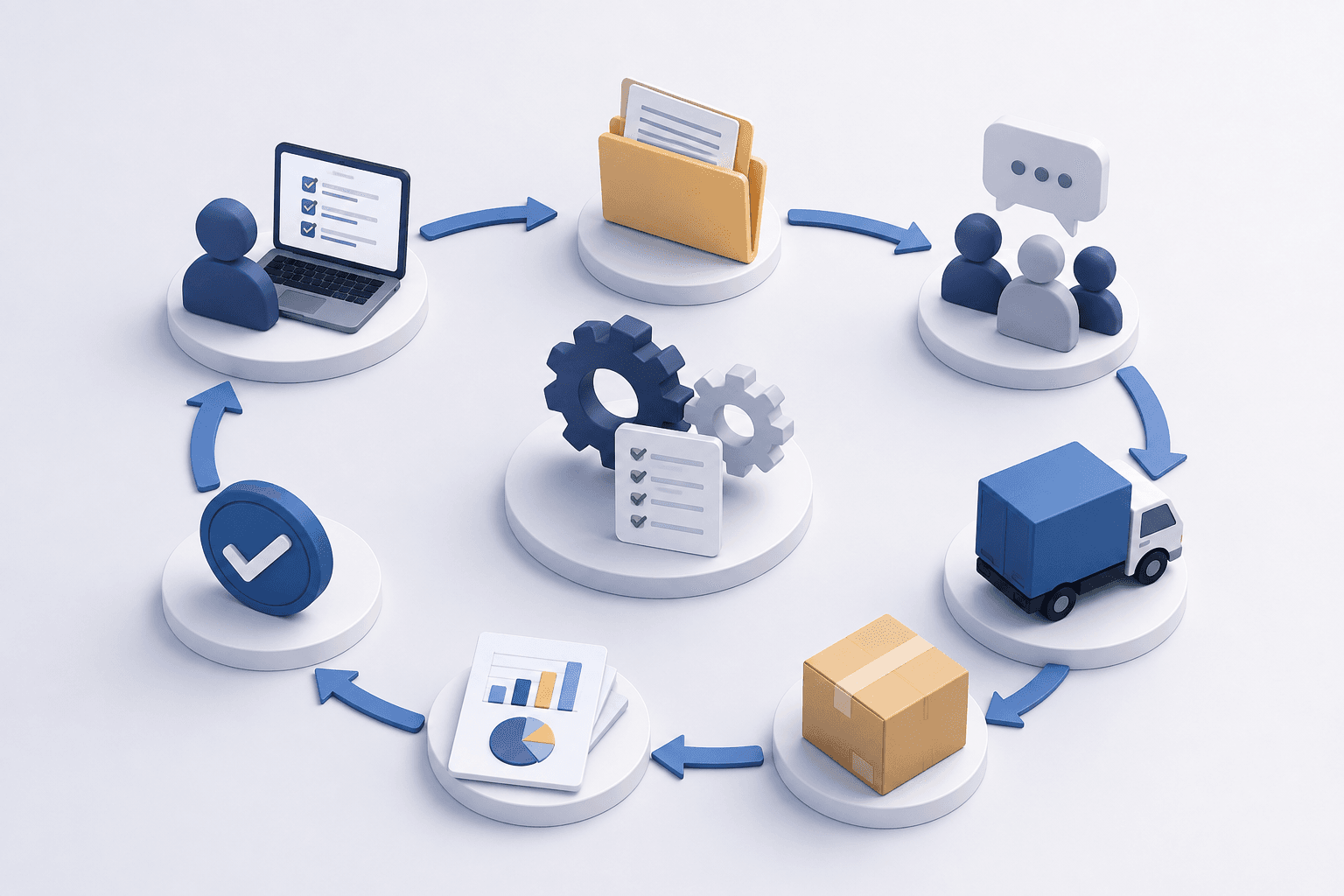
In practice, I see that the real procurement risk has long stopped being about the numbers on the invoice. It lies in inefficient procurement processes that quietly—but all the more dramatically—generate financial losses and reputational damage.
Price is visible. Processes are hidden. And that’s exactly why they are more dangerous.
What do companies often overlook?
🔺 delivery delays caused by poor planning and unclear responsibilities
🔺 compliance issues resulting from non-transparent supplier selection
🔺 loss of control over contracts and purchasing volumes
🔺 dependence on “trusted” suppliers without benchmarking the market
🔺 reputational risk caused by service outages or poor-quality deliveries
The result?
A lower price on paper — but higher costs in reality.
That’s why modern procurement management is shifting:
👉 from chasing the lowest bid
👉 to building efficient, transparent, and resilient processes
Companies that understand this today:
✔ save money sustainably, not just once
✔ handle supply chain disruptions far more effectively
✔ protect their brand and customer relationships
Maybe it’s time to ask:
Are we paying more for our processes than for the deliveries themselves?
What hidden procurement risk do you deal with most often?
Price — or the processes behind it?

Jana Jůzlová has more than 20 years of experience in corporate procurement in manufacturing companies. She specializes in strategic procurement consulting and helps companies turn procurement and logistics into a competitive advantage.
For busy procurement teams, it’s easy to lose track of deadlines. One RFQ may be closing today, while another is still waiting for supplier responses.
This is a completely legitimate concern. You’re a procurement professional, already overloaded with work, and now you’re supposed to deal with procurement software on top of everything else?
Return on investment within the first year of project implementation.*
*The ROI estimate is based on real data gathered from our clients and their successfully completed projects.
Join us in the world of Promitea.
Our team is here for you.