
Does it make sense to digitalize procurement if we are a small company?

We hear this question often – and we completely understand why. Many companies still rely on emails and Excel spreadsheets. It works, but only until the purchasing agenda starts to grow and a clear spreadsheet turns into chaos.
We hear this question often – and we completely understand why. Many companies still rely on emails and Excel spreadsheets. It works, but only until the purchasing agenda starts to grow and a clear spreadsheet turns into chaos.
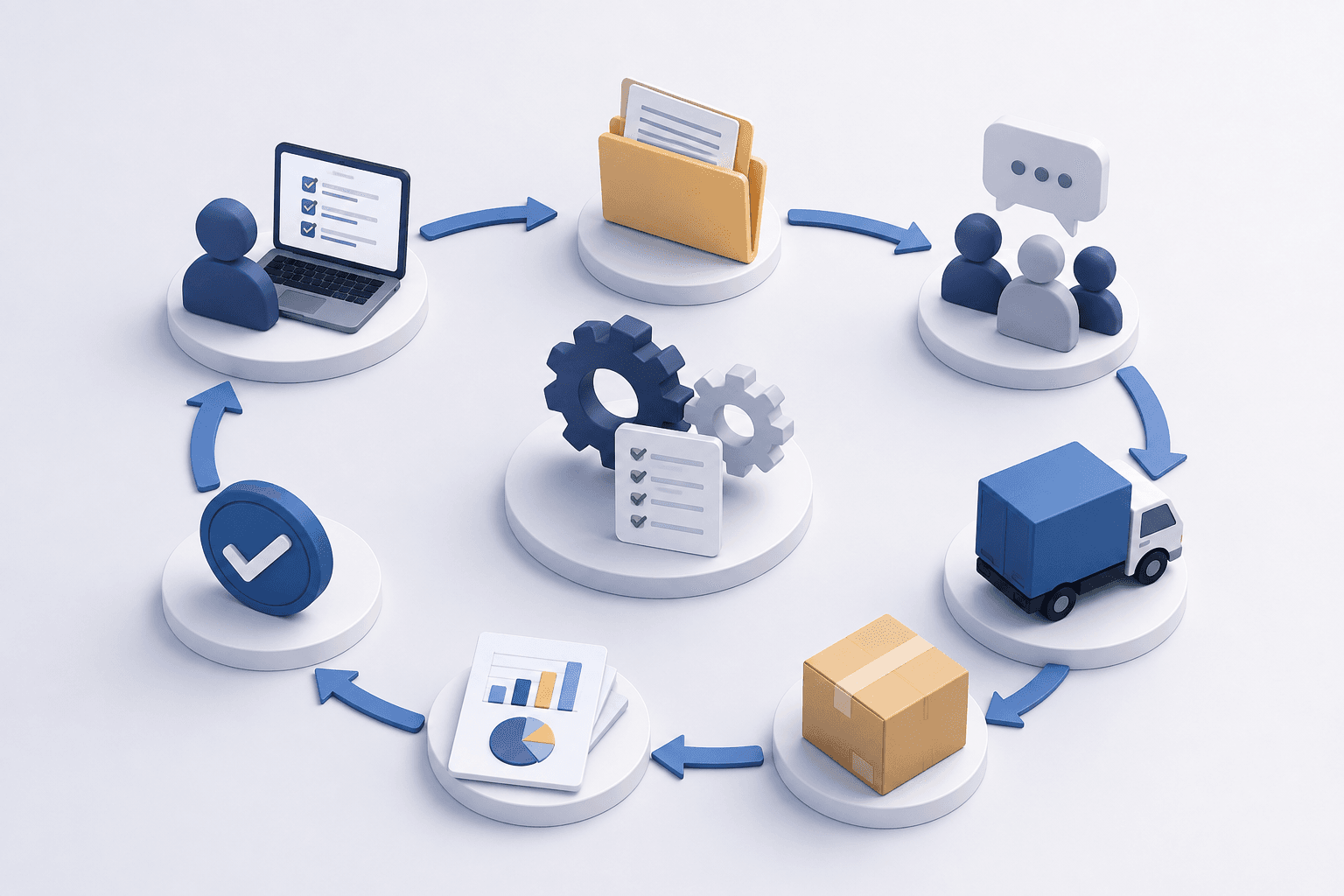
At that point, e-procurement starts to make sense – that is, the digitalization of purchasing processes through specialized software.
But where do you start if you’re completely new to digitalization?
👉 Ask yourself four basic questions:
1️⃣ Do we even need digitalization?
➡️ Yes, it brings lower costs, fewer errors, faster approvals, and better control over spending.
2️⃣ How do we choose the right software?
➡️ Clarify what you want to improve, and involve colleagues from purchasing, finance, and IT. Look for a tool that is simple, secure, and easy to integrate with your ERP.
3️⃣ How much will it cost?
➡️ Cloud solutions are now accessible even for smaller companies – often for just a few thousand a month. And a well-configured system pays for itself within 1–2 years.
4️⃣ What does the implementation look like?
➡️ Preparation is key – process analysis, user training, and a pilot phase.
If done properly, digitalization becomes a natural part of daily work.
💡 E-procurement isn’t about complex IT projects. It’s about simplifying work, saving time, and gaining better oversight.
You can start gradually – step by step.

Jana Jůzlová has more than 20 years of experience in corporate procurement in manufacturing companies. She specializes in strategic procurement consulting and helps companies turn procurement and logistics into a competitive advantage.
For busy procurement teams, it’s easy to lose track of deadlines. One RFQ may be closing today, while another is still waiting for supplier responses.
This is a completely legitimate concern. You’re a procurement professional, already overloaded with work, and now you’re supposed to deal with procurement software on top of everything else?
Return on investment within the first year of project implementation.*
*The ROI estimate is based on real data gathered from our clients and their successfully completed projects.
Join us in the world of Promitea.
Our team is here for you.